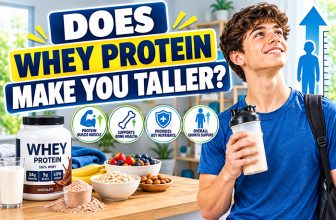
Does Drinking Nestle Milk Make You Taller?


Have you ever wondered if what you drink could affect your height? Milk consumption is one of the most common theories out there — and Nestlé is one of the biggest names in dairy. So does drinking Nestlé milk actually stretch your stature? Let's separate fact from fiction.
Does Drinking Nestlé Milk Have an Impact on Height?
Drinking Nestlé milk — or any brand of milk — can contribute to a healthy diet that supports proper growth and development, including height. Milk is a solid source of calcium, vitamin D, and protein, all essential for bone health and growth. That said, the actual impact on height varies with genetics, overall diet, physical activity, and other lifestyle factors. Milk can be part of a balanced, growth-supportive diet — it just shouldn't be relied on in isolation.
How Does Nutrition Impact Height Growth?
- Calcium for bone health: supports bone development and density, which are crucial for reaching optimal height.
- Protein for muscle growth: supplies the building blocks for strong, healthy muscle development.
- Vitamins and minerals: vitamin D aids calcium absorption, vitamin C supports collagen synthesis in bone tissue, and zinc and magnesium play supporting roles too.
- Overall nutritional balance: a varied diet ensures the body has what it needs for growth — deficiencies in key nutrients can limit height potential.
- Timing and consistency: consistent nutrition during childhood and adolescence, when growth is fastest, has the most lasting impact.
The Nutritional Content of Nestlé Milk
Nestlé produces several types of milk, including whole, low-fat, and skim. Here's a general overview of what a typical serving (1 cup / 240 mL) of whole milk provides:
| Nutrient | Amount per 1 cup (240 mL) |
|---|---|
| Calories | ~150 |
| Total Fat | ~8 g |
| Saturated Fat | ~5 g |
| Cholesterol | ~30 mg |
| Sodium | ~100 mg |
| Total Carbohydrates | ~12 g |
| Sugars (naturally occurring lactose) | ~12 g |
| Protein | ~8 g |
Figures are approximate for whole milk and can vary by specific product and fortification. Low-fat and skim varieties will be lower in fat and calories — always check the label on your specific carton.
These nutrients matter most during childhood and adolescence: calcium and protein are fundamental for bone development and muscle growth, while the vitamins and minerals in milk support immune function, energy metabolism, and nerve function. Working Nestlé milk into a balanced diet is one reasonable way to help cover these bases.
Dispelling the Myth: Nestlé Milk and Height Growth
Drinking Nestlé milk can provide essential nutrients that contribute to overall growth and development, but there's no direct evidence it will significantly increase height on its own. Height comes down to a complex mix of genetics, nutrition, and overall health. Enjoying Nestlé milk as part of a balanced diet can genuinely support wellbeing — just keep expectations realistic, and focus on a holistic approach to health and growth rather than any single product.
FAQs
Does drinking Nestlé milk make you taller?
How much protein is in a cup of Nestlé whole milk?
Is skim or low-fat Nestlé milk better for growth?
What matters more than milk for height growth?
References
- NIH Office of Dietary Supplements. Calcium — Fact Sheet for Health Professionals. — ods.od.nih.gov
- NIH Office of Dietary Supplements. Vitamin D — Fact Sheet for Health Professionals. — ods.od.nih.gov
- U.S. Department of Agriculture. FoodData Central — general nutrient composition data for milk. — fdc.nal.usda.gov
Note: the nutrition-facts figures above are carried over from the original draft's approximate values. We'd recommend verifying them against Nestlé's actual current product packaging/label before publishing, since values can change and weren't sourced from an official Nestlé nutrition panel in the original draft.